History
The Sea Nomads Contact Group (SNCG) was officially established in 2020, formalizing decades of dedicated individual work by its co-founders who recognized a persistent gap in global discourse. The SNCG is an initiative and a platform for collaboration on research, on efforts for recognition towards sea nomads, on dialogue among actors in marine natural ecosystem of Southeast Asia. SNCG was founded and operated by Dedi Supriadi Adhuri, Wengki Ariando, and Henry Thomas Simarmata.
The SNCG was created to challenge the systematic marginalization of coastal and small island customary communities—specifically the Moken-Moklen, Orang Laut, and Sama-Bajau subgroups—in both academic research and formal policy-making processes. Our unique methodology is driven by scholar activism, utilizing an interdisciplinary blend of expertise to ensure our work translates directly into tangible benefits for the communities we serve.
The Group's foundation is built upon four interconnected pillars of action: Research & Knowledge Co-Production, Networking & Policy Linkages, Advocacy & Rights Protection, and Sustainability and Other Development Issues.Since its founding, the SNCG has been highly active in the international arena, participating in numerous global conferences and research dialogues, submitting formal calls for action to the United Nations (UN), and organizing specialized Sea Nomads symposiums and meetings. Although not a formally registered organization, the SNCG functions as a crucial Working Group designed to bridge academic expertise with community leadership. We leverage our extensive network—including local leaders, researchers, NGOs, and government partners—to actively co-produce actionable insights that challenge state-centric narratives and strengthen policies protecting the self-determination, resources, and cultural identity of Sea Nomads across the Southeast Asian archipelago.
Sea Nomads and SNCG
The SNCG developed collaboration, so far, with the Andaman Pilot Project of Chulalongkorn University, with BRIN (Indoensian Research and Innovation Agency), with various researchs groups.
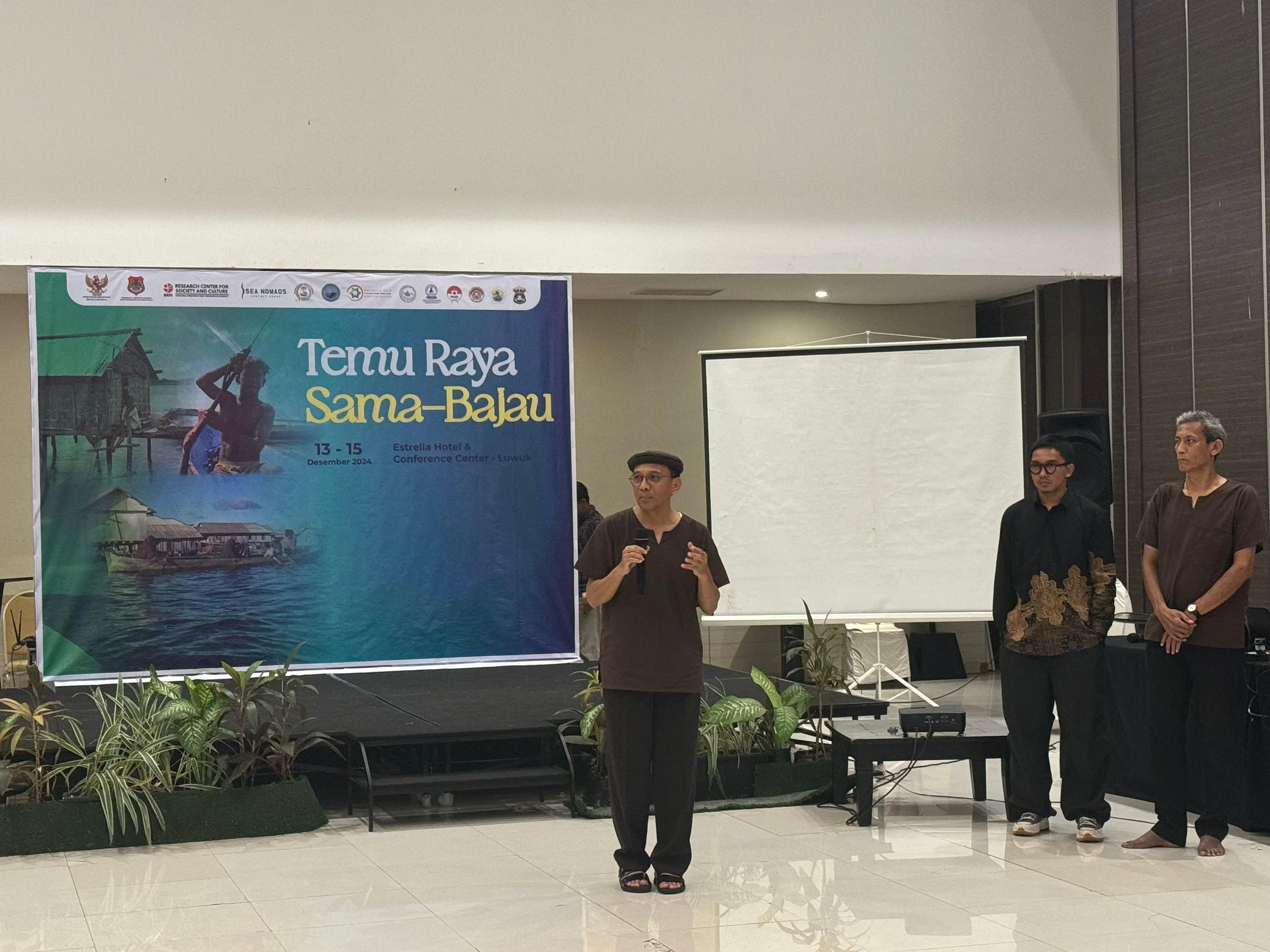
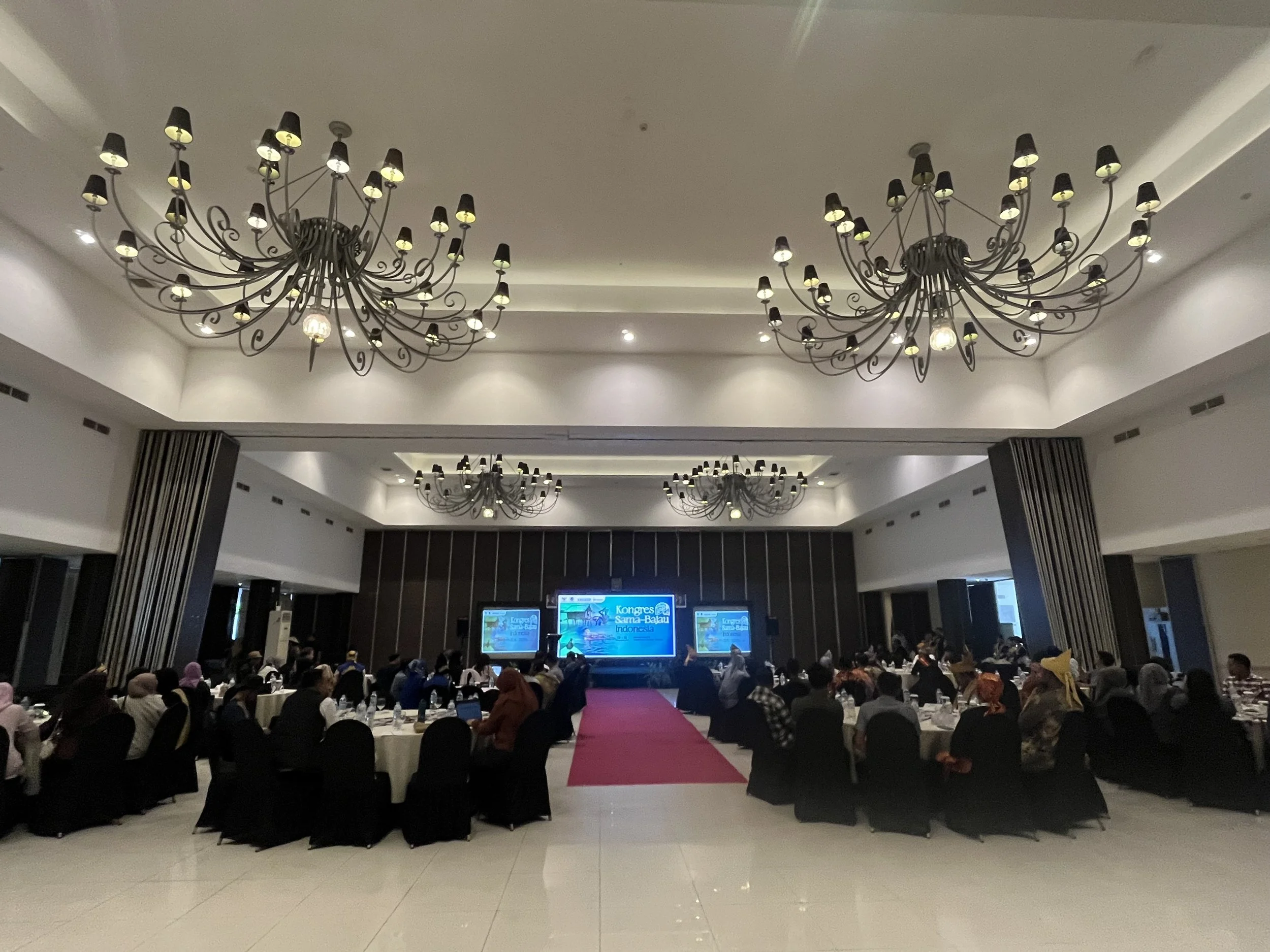
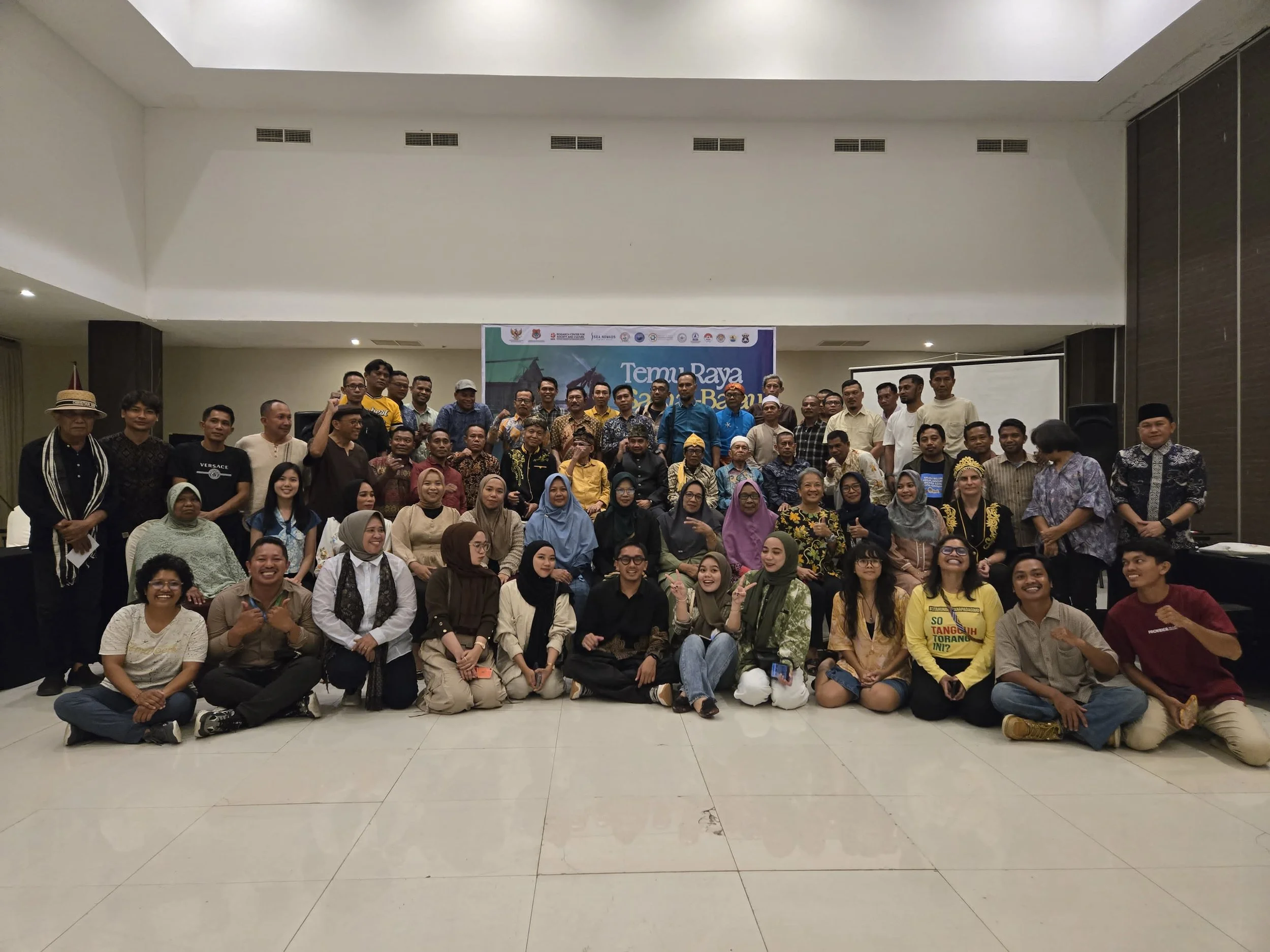
In 2024, The SNCG worked with the Sama-Bajau communities in holding “Temu Raya Sama-Bajau” in Banggai, of the Province of Central Sulawesi. The holding was supported by Indonesian Government, and by various research and advocacy entities. Most of sea nomads communities of Indonesia gathered in this holding. The “temu raya” (great gathering) proclaimed a declaration. This gathering was an important milestone in the effot of SNCG and sea nomads community in effort for recognition of sea nomads.
Also in 2024, in November, SCNG co-organised a seminar with Andaman Pilot Project of Chulalongkorn University in SAC (Princess Maha Chakri Sirindhorn Anthropology Centre) Bangkok, particiapated by Urak Lawoi leaders, and by researchers from different entities, then participated in Chao Lay Reunion in Ko Lanta, Krabi, Thailand.
During 2024, SNCG held a webinar, co-organised with BRIN (Indonesian Research and Innovation Agency) on sea nomads and on trends of dispossesion against sea nomads and other traditional marine communities. In December 2024, SNCG co-organised a very first International Symposium on Sea Nomads, with various entities, including KITLV (Royal Netherlands Institute of Southeast Asian and Caribbean Studies), supported by Indonesian Government. Key speakers participating in this symposium was seasoned reseachers and young-up and coming researchers. This combination was intended to build a strong collaboration between researchers, and thus contributing to the recognition of sea nomads. With KITLV itself, SNCG increased number and topics of research on sea nomads.
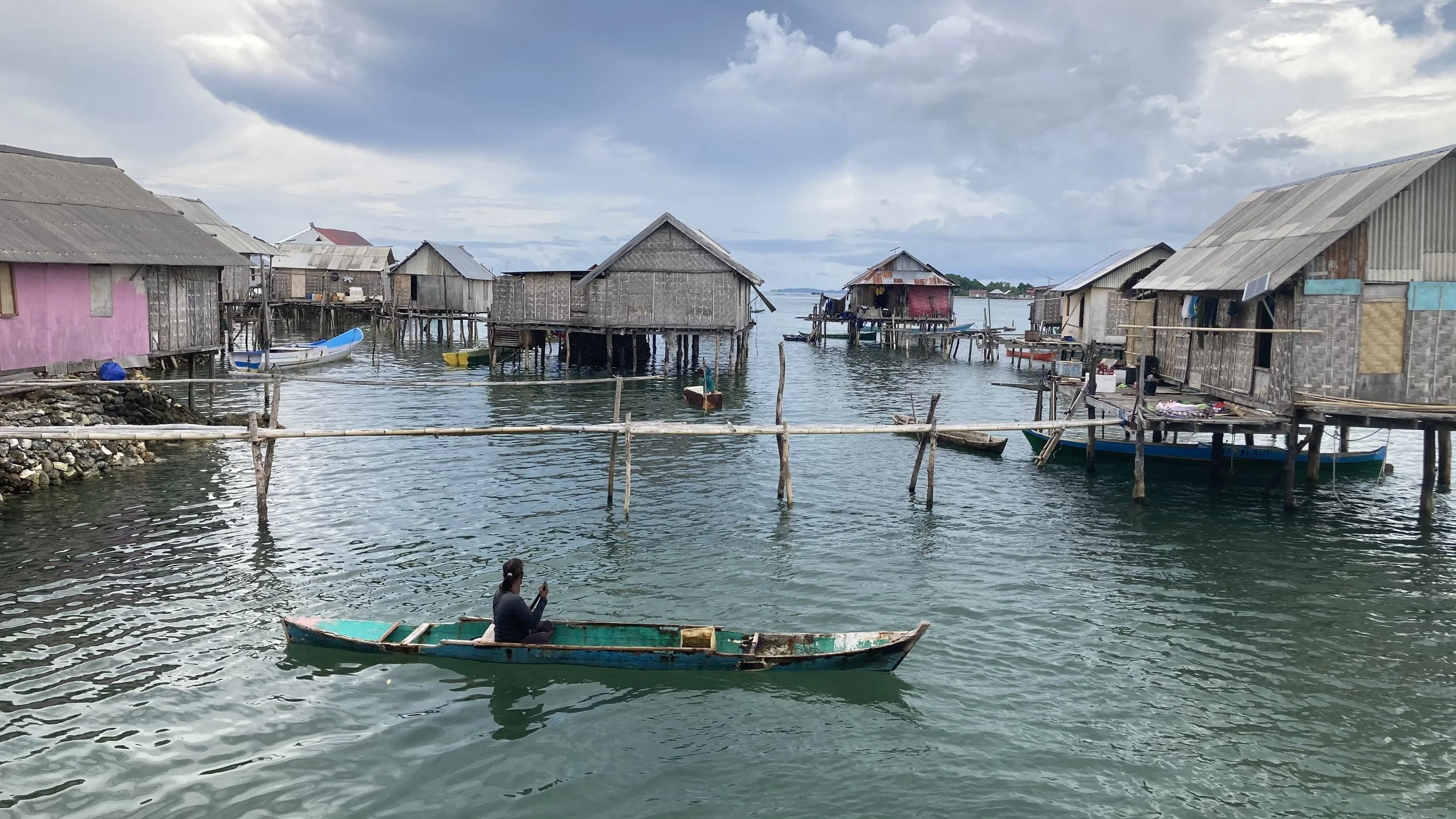
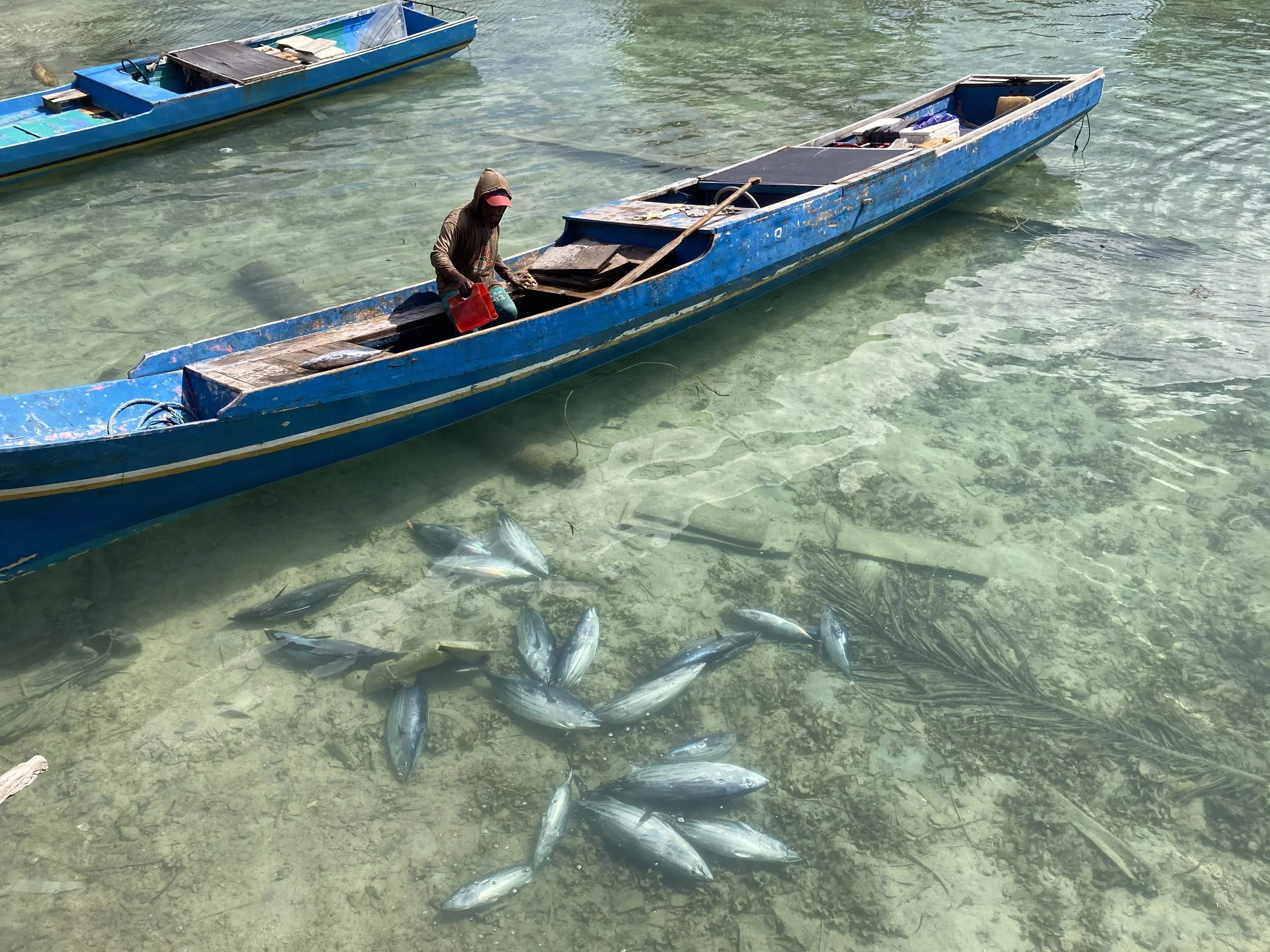
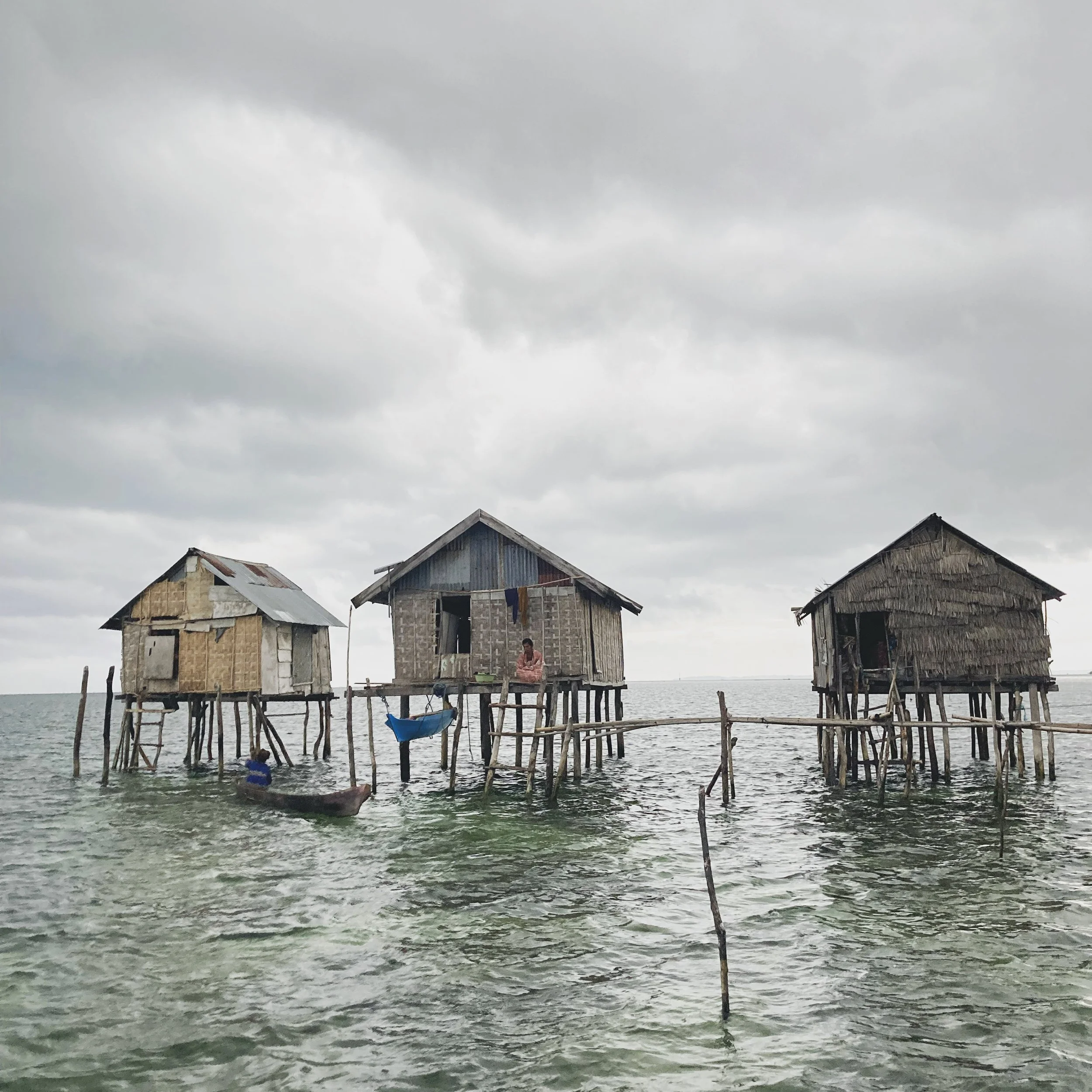
The term sea nomads is used to refer to the sea nomads, mostly in this case, of who are closely connected to their coastal environments and marine resources in the region that encompasses modern-day Thailand, Malaysia, the Philippines, Indonesia, Myanmar and in different parcels of islands in Andaman sea and in South China Sea. in . They called themselves: Bajau, Bajo, Sama Bajau, Orang Laut, “suku laut”, Moken, Moklen,. Urak Lawoi. (There are other pejorative or demeaning call towards them, such as “manusia perahu” (boat people) which we do not agree on them, and do not use it in our research.) Today’s sea nomads population is estimated to be around 1.1 million. Although they are dispersed across the Southeast Asian region, sea nomads in this region share ‘similar social and cultural features, including shared shipbuilding and fishing culture, traditions, myths,’ and oral traditions. Their livelihoods are primarily based on small-scale fishing activities, but can extend to coconut palm cultivation and marine trade of various natural resources including cucumbers and sea mammals. The sea nomads are highly adaptable peoples as their nomadic/semi-nomadic lifestyle has facilitated their past migrations to different areas ‘due to droughts, rising tides, floods, pestilence, and political strife,’ which also historically allowed them to establish trade relations with diverse communities from East Africa and Indo-Pacific region.
Initiative for recognition of Sea Nomads
The initiative of recognition is a work dedicated by the SNCG, with collaboration with Sea Nomads and wider circles of academia, jurists, for recognition of rights of Sea Nomads in different sea-ecosystems in the world, mainnly of Southeast Asia archipleago, into a framework of and a shared knowledge management on Sea Nomads. The SNCG develop series of collaborations and researchs (big and small), a platform for policy reform, capacity building in effort for recognition of Sea Nomads.
As a matter of principle, the SNCG’s works is and will be of shared effort with Sea Nomads. This principle encouraged SNCG to seek ways and means for Sea Nomads to take decisision for themselves on matter of their life and livelihood. The recognition is based on understanding towards the right to life of Sea Nomads of different countries and administrative areas of mostly Southeast Asia.
Knowledge Hub and Initiatives
Research & Knowledge Co-Production
To build a global network of scholars, community experts, and researchers dedicated to undertaking ethical, co-designed research on Sea Nomadic research (Past-present-future), climate adaptation, and resource governance. This research will prioritize the ontology of knowledge and knowledge co-production from multi scale.
Advocacy & Rights Protection
To systematically leverage the Sea Nomads Contact Group's research outputs to inform and execute targeted advocacy campaigns aimed at securing legal recognition of Sea Nomad customary and fluid territories, tenure, defending against coastal and marine grabbing, and fostering community health resilience against modern socioeconomic pressures.
Networking & Policy Linkages
To serve as the primary conduit for connecting Sea Nomad leaders and youth with key decision-makers, including intergovernmental organizations (IGOs), non-governmental organizations (NGOs), and academic institutions. This includes presenting collective findings at high-level forums related to human rights, marine conservation, and climate justice
Sustainability and Other Development Issues
To promote sustainable livelihood diversification that is resilient to modern challenges, ensuring economic security across all generations. This involves co-designing programs that specifically address youth empowerment and gender equity by integrating traditional ecological knowledge with contemporary skills training.